Simple Steps to Prevent Regrowth of Algae on Garden Paths
In coastal suburbs like Bondi, lush garden paths can quickly turn https://pressurecleaningbondi.com.au/tennis-court-cleaning/ into slippery green hazards. The combination of sea breezes, seasonal rain, and humid coastal air creates an ideal breeding ground for algae, moss, and lichen. Once established on sandstone, pavers, or exposed aggregate, algae not only detracts from your property's aesthetic appeal but also poses a serious slip hazard for family and guests. Stopping algae from returning requires a strategic approach that addresses moisture, surface porosity, and ongoing maintenance.
Understand the Coastal Bondi Microclimate
Properties across Bondi Beach, Bondi Junction, and North Bondi frequently deal with damp microclimates caused by dense coastal foliage, tall boundary fences, and proximity to the ocean. Moisture tends to linger on shaded outdoor surfaces long after morning dew or afternoon southerly downpours. Because algae spores travel through the air, completely eliminating them from the environment is impossible. However, modifying the environmental conditions on your paths makes it much harder for these spores to take hold.
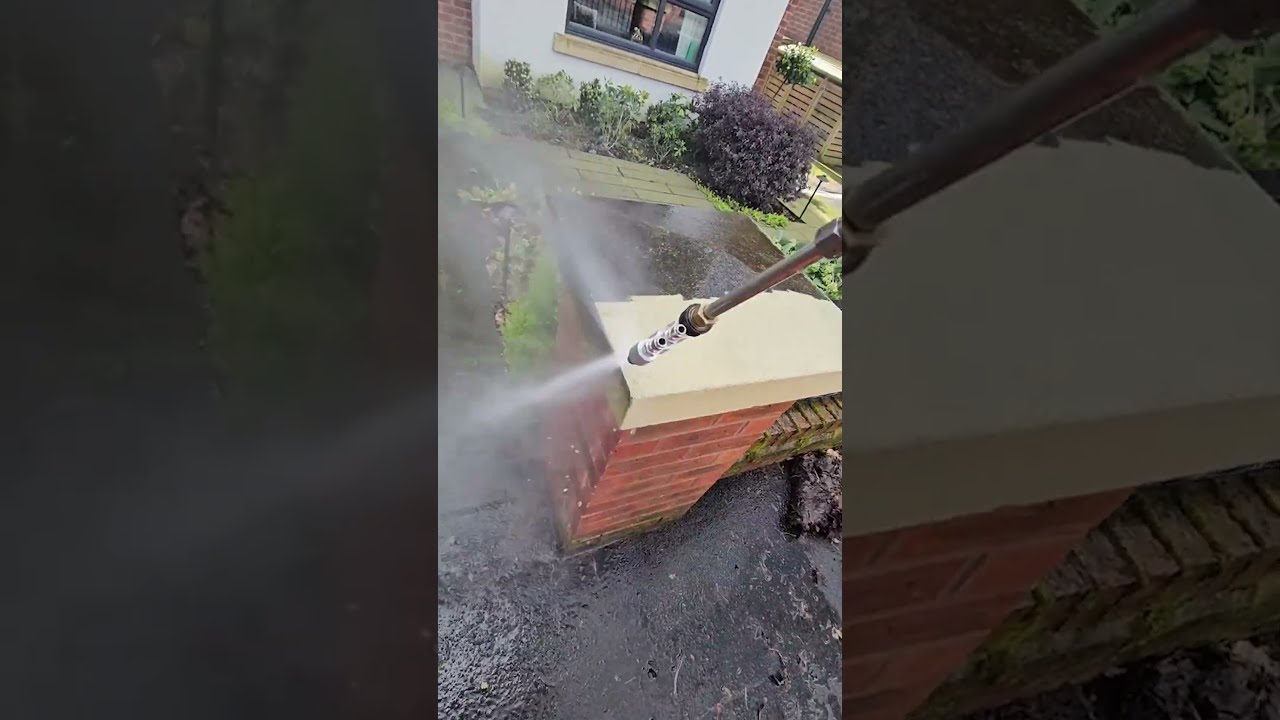
Actionable Steps to Keep Walkways Clear
Preventing algae regrowth is far more effective than constantly blasting surfaces with high pressure, which can erode stone pavers and degrade mortar joints over time. Follow these reliable methods to protect your garden paths year-round:
- Increase Sunlight and Airflow: Trim back dense, low-hanging shrubs, palms, and ground covers adjacent to paths. Allowing direct sunlight and coastal breezes to penetrate shaded areas accelerates surface drying, denying algae the constant moisture it needs to flourish.
- Fix Drainage and Surface Pooling: Inspect your walkways during wet weather to identify low spots where rainwater gathers. Re-bedding sunken pavers, installing sub-surface French drains, or replacing impervious joints with permeable polymeric sand helps prevent stagnant water accumulation.
- Apply a Breathable Penetrating Sealer: Porous materials like Sydney sandstone and concrete readily absorb moisture. Applying a high-grade, breathable penetrating sealer repels water without trapping internal moisture or creating a slippery plastic film on the surface.
- Switch to Residual Bio-Inhibitors: Instead of relying on caustic chlorine bleach, which damages coastal soil and runs into local stormwater systems, apply a biodegradable biocide or enzyme-based inhibitor formulated to leave an active microscopic barrier that suppresses fungal and algal spores.
Choosing Sustainable Cleaning Practices
Under current 2026 Waverley Council environmental guidelines, managing stormwater runoff is critical for safeguarding local marine ecosystems. Harsh chemical runoffs must be avoided when washing driveways and paths near coastal inlets. Eco-friendly, oxygen-based washes and non-acidic treatments break down organic spores without releasing toxic residues into garden beds or ocean drains.
Routine Preventative Maintenance Checklist
Consistent, low-effort maintenance prevents the need for aggressive chemical interventions or frequent heavy restoration. Incorporating simple habits into your regular gardening schedule keeps paved surfaces clean and safe throughout all seasons.

- Weekly Sweeping: Sweep away wet leaves, soil deposits, and organic debris that trap surface moisture and feed nascent algae spores.
- Immediate Spot Washing: Rinse food spills, bird droppings, or potting mix immediately using warm water and a stiff-bristled deck brush.
- Biannual Inhibitor Application: Mist treated paths with an eco-safe algae inhibitor in early autumn and late spring to proactively head off seasonal growth spikes.
- Sealant Inspection: Conduct a simple water-drop test once a year; if water soaks in rather than beading up, plan to reapply your penetrating sealer before the wet season.
By controlling surface moisture, ensuring proper drainage, and establishing an eco-friendly preventative routine, you can enjoy safe, pristine garden paths that withstand Bondi's coastal conditions throughout 2026 and beyond.
Bondi Pressure Cleaning
(02) 8550 5711